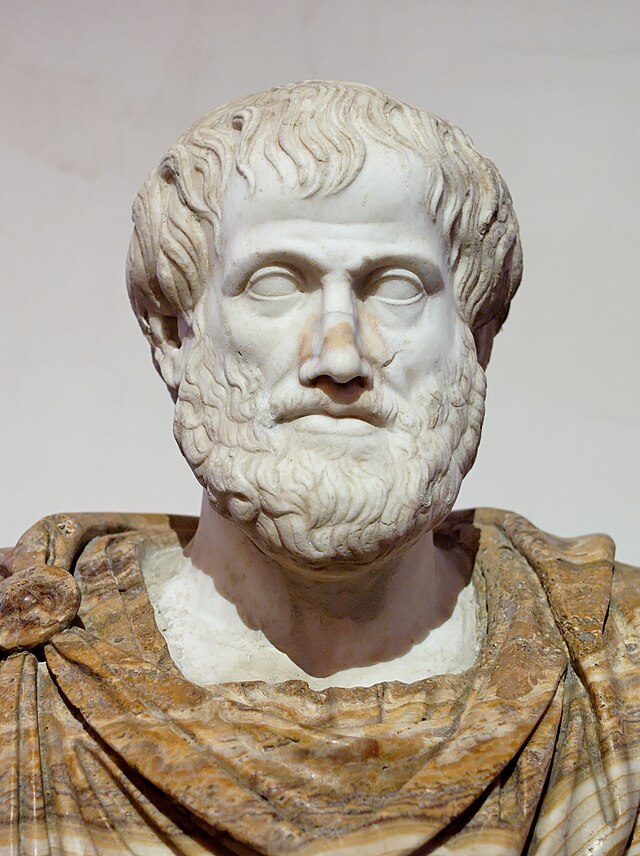
Education Must Be Public
Aristotle's first claim is institutional: education should be a public responsibility, not a private one. The reason is not efficiency but ownership. The child is not the property of its parents alone — it will become a citizen, and the city has a stake in what it becomes. Private education produces private persons; public education produces citizens.
It is evident, then, that there should be laws concerning education, and that it should be public.
Education Must Be Uniform
If the city is one, education must be one and the same for all citizens. A city where some are educated for command and others for obedience, where some learn to deliberate and others are kept from deliberation, is not truly a political community — it is a stratified society in which the name of citizenship conceals a reality of domination.
The Role of Music
Aristotle's most original contribution in Book VIII is his argument for music as the central subject of liberal education. This is not about technical skill — a citizen is not being trained as a performer. Music, properly understood, shapes the emotional character of the listener. It habituates the soul to pleasure and pain in response to representations of noble and base actions. It is, in other words, a form of moral education that works directly on the passions rather than on the reason.
Leisure and Its Proper Use
Behind the argument about music lies a deeper point about the good life. The political animal is not only one who participates in governance — it is one who knows how to use leisure well. The merely hardworking citizen who has no capacity for reflective rest, for friendship, for philosophical inquiry, for aesthetic pleasure, is not fully formed. Education for leisure is not education for idleness; it is education for the higher activities that distinguish a genuinely human life.
Aristotle's unfinished book leaves the reader with a sense that the discussion of education was intended to be much more extensive. What we have is enough to make clear that the Politics and the Nicomachean Ethics form a single inquiry: how should human beings live together such that each of them can live well?
Book VIII is the final and incomplete book of the Politics. Aristotle's arguments on public education and the formation of character are presented in the first two chapters.