The Argument
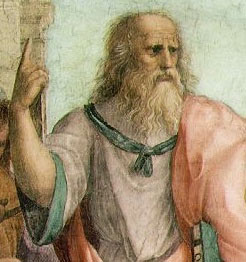
A city is well governed only when its rulers know what is genuinely good for it. Knowing the genuine good requires knowing what goodness itself is — the Form of the Good, accessible only through long philosophical education. Therefore, rulers who lack that education are, however gifted, navigating in darkness. Only philosophers can truly govern.
The Problem of Reluctance
The deeper difficulty is that genuine philosophers will not want to rule. Having ascended from the cave and seen the sun, they are reluctant to descend again. Socrates acknowledges this honestly: the city must compel them to govern as a debt owed to the education it provided. The philosopher's happiness lies in contemplation — their willingness to rule is a sacrifice, not an ambition.
Until philosophers are kings, or the kings and princes of this world have the spirit and power of philosophy, and political greatness and wisdom meet in one, and those commoner natures who pursue either to the exclusion of the other are compelled to stand aside, cities will never have rest from their evils
The Education Programme
The path to philosopher-rulership takes decades: ten years of mathematical training, five years of dialectic, fifteen years of practical service in lower offices. Only at fifty is the philosopher ready to govern. The aim is not to produce clever administrators but souls so formed by truth that their rule is an expression of knowledge rather than opinion, faction, or self-interest.
A City in Speech
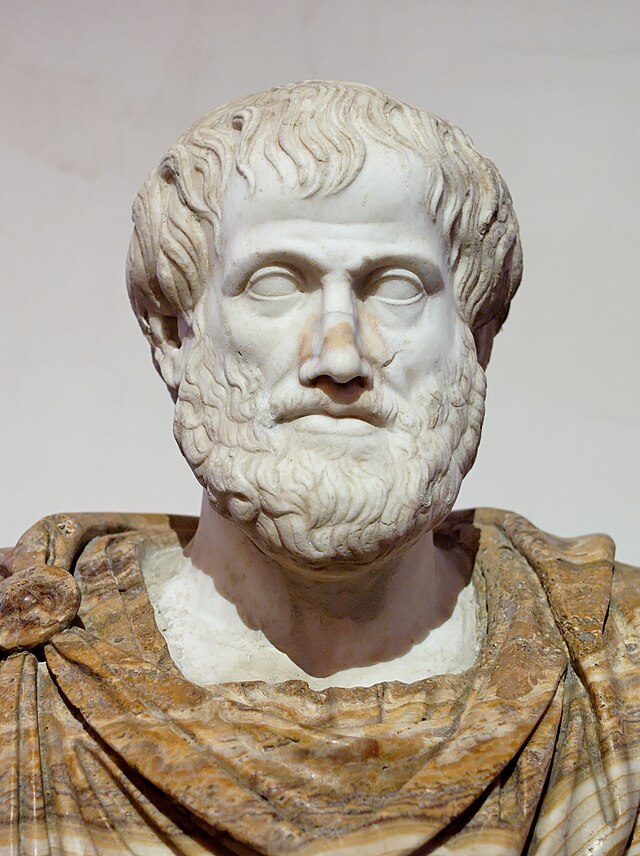
Aristotle objected, and critics ever since have agreed: no actual city can produce such rulers, and no actual ruler would accept such constraints. Plato may have known this — Kallipolis (the beautiful city) may be a model laid up in heaven, more useful as a standard by which individuals can order their own souls than as a blueprint for real politics.
The philosopher-king ideal appears in Books V–VII of The Republic. Plato's own attempt to advise the tyrant Dionysius II of Syracuse ended in failure — perhaps confirming the ideal's impracticality.