Everything in Motion
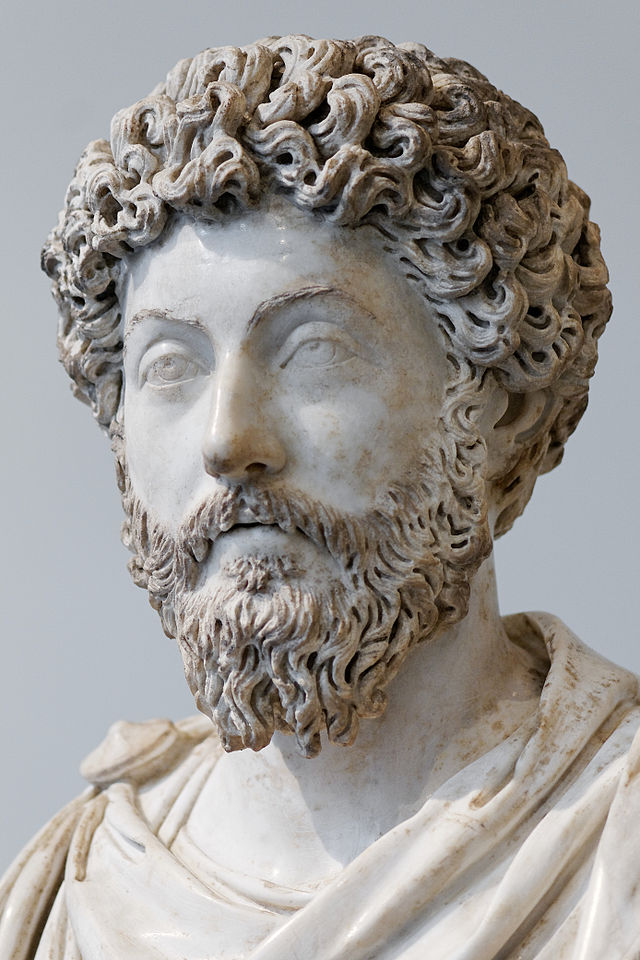
Everything that exists is in the process of becoming something else. The great empires, the celebrated men, the cities that seemed eternal: all have dissolved into the same forgetfulness. Marcus had seen this with his own eyes; he spent his reign watching a plague hollow out the population, watching the frontier cities he had known reduced to ruins. Change was not a philosophical abstraction but a daily fact.
As a part hitherto thou hast had a particular subsistence: and now
shalt thou vanish away into the common substance of Him, who first begot
thee... Many small pieces of frankincense are set upon the same altar,
one drops first and is consumed, another after; and it comes all to one.
The Uses of Impermanence
The meditation on impermanence serves several purposes. First, it dissolves the urgency of vanity. If fame lasts no longer than a generation or two, why sacrifice virtue to achieve it? Second, it equalises: the slave and the emperor are subject to the same dissolving current. Third, it sharpens the value of the present moment, the one thing that is actually real.
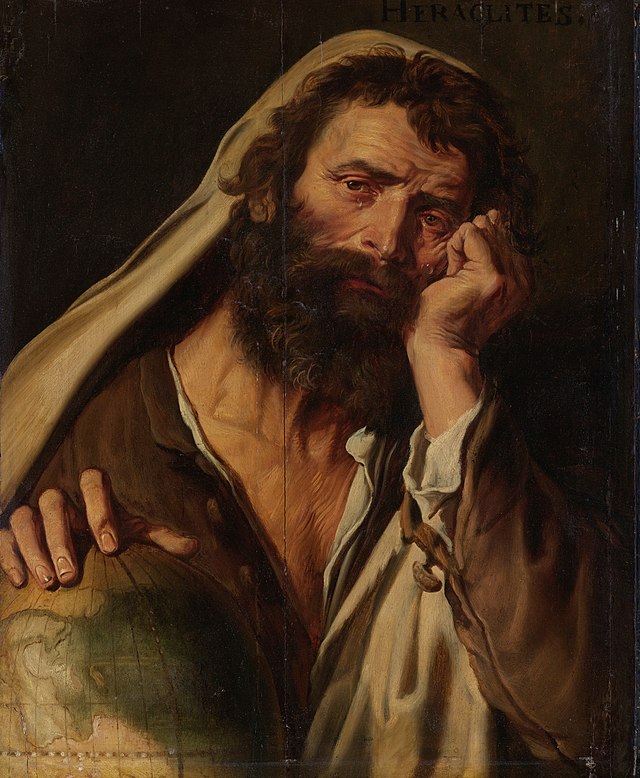
Marcus lists, with almost archaeological relish, the great men of history who are now forgotten. Heraclitus, Pythagoras, Socrates, Alexander. How many Chrysippuses and Socrateses has time already swallowed up? If they are gone, so too will be his own anxieties, grievances, and small dramas. This is oddly freeing.
The Right Response
The correct response to impermanence is neither clinging nor nihilism. It is a kind of light-handed engagement with the world: acting well, loving well, thinking clearly, without requiring that any of it last. The river flows. The wise person flows with it, not against it. What matters is not permanence but the quality of the moment as it passes.
V. That which the nature of the universe doth busy herself about, is;
that which is here, to transfer it thither, to change it, and thence
again to take it away, and to carry it to another place. So that thou
needest not fear any new thing. For all things are usual and ordinary;
and all things are disposed by equality.