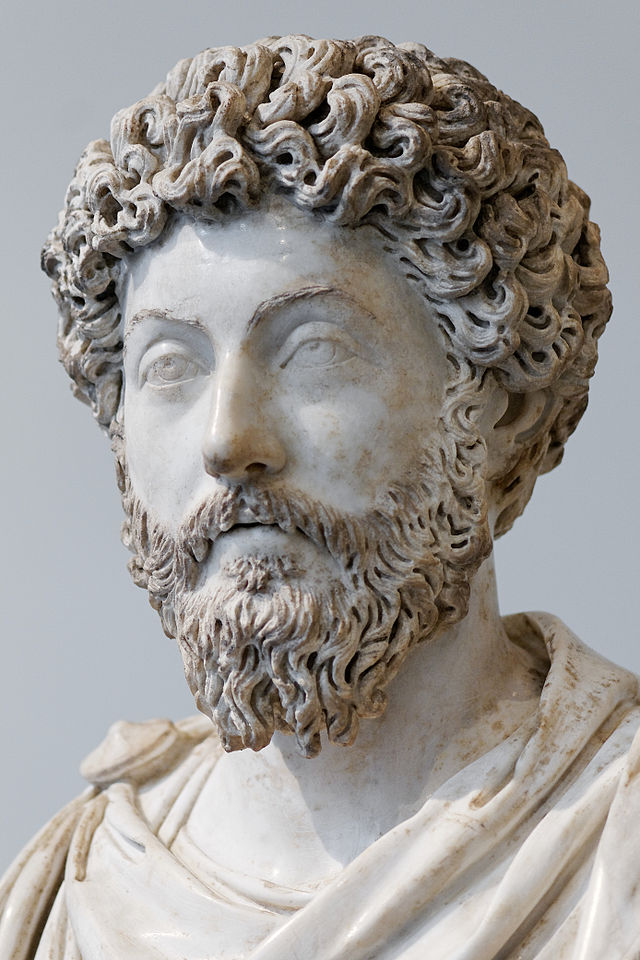
Beyond Acceptance
Acceptance is a starting point, not a destination. Many people learn to tolerate adversity. Marcus asks for something harder: active affirmation of what is. The Stoics believed that Nature is governed by the Logos, a rational ordering principle, and that every event, including suffering and loss, is part of that order. To resist what is fated is to fight Nature itself, a battle no one wins. But to consent to it, to say yes to what is, transforms even adversity into fuel.
Fit and accommodate thyself to that estate and to those
occurrences, which by the destinies have been annexed unto thee; and
love those men whom thy fate it is to live with; but love them truly.
Action, Not Passivity
This teaching is easily mistaken for resignation. It is the opposite. Marcus was a tireless general, a reforming administrator, a man who spent decades fighting campaigns he had not sought and managing a court full of people who frustrated him. Consenting to fate is compatible with vigorous action. It simply means that once you have acted rightly, you release attachment to the outcome. Do your best, then let it go.
The distinction matters. Resignation says: nothing I do will change anything. Consent to fate says: I will act as well as I can, and then welcome whatever follows, because that too is part of the fabric I live within. One is defeated; the other is free.
A Continuous Practice
Marcus made this a quiet daily practice rather than a grand philosophical posture. Receive each morning as a gift, whatever it contains. Work with circumstances rather than against them. When something unwelcome happens, ask not why it happened to you, but what it makes possible. The Stoics called this following Nature, living in accordance with the rational order that governs all things.
Whatsoever is expedient unto thee, O World, is expedient unto me;
nothing can either be 'unseasonable unto me, or out of date, which unto
thee is seasonable.