A Daily Practice
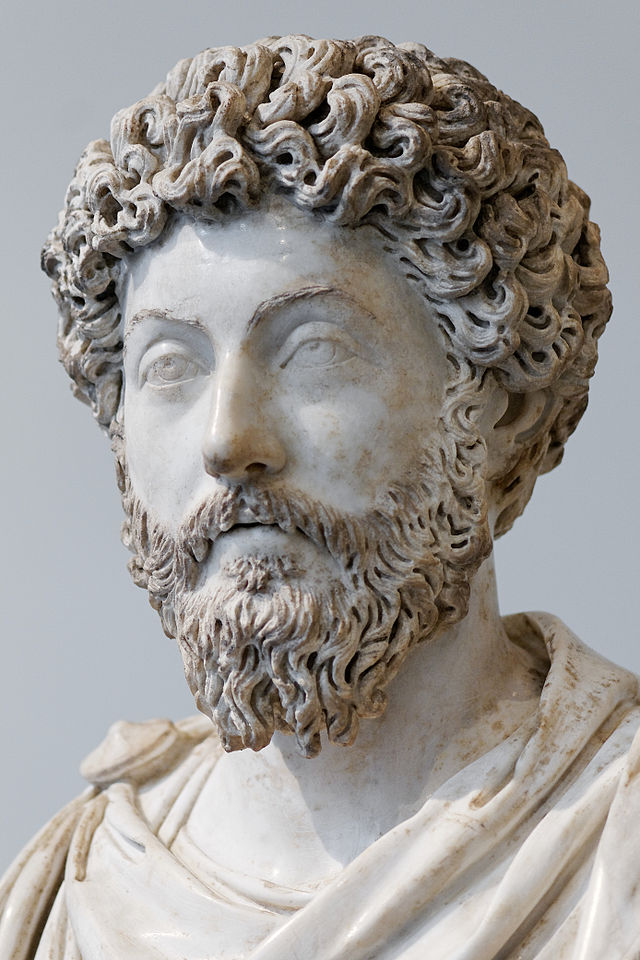
Memento mori means, simply, remember that you will die. For Marcus it was not a counsel of despair but a tool for living well. A man who keeps his mortality in view stops wasting energy on petty grievances, hollow status, and anxious self-promotion. The awareness of death is not a weight; it is ballast.
If in none of these, then neither
in the ending and consummation of thy whole life, which is also but a
cessation and change.
The Equalising Force
In the Meditations, Marcus lists the great men of history with something close to archaeological relish. Alexander. Caesar. Pompey. The philosophers who shaped him. All are gone. The cities they ruled are ruins or memories. The lesson is not that their efforts were meaningless but that no one is exempt. The slave and the emperor share the same ending; what differs is only the quality of the time between.
Marcus advises imagining the deaths of those we love, not to cultivate dread, but so that grief, when it arrives, finds us prepared rather than shattered. He imagines the fates of emperors before him and notes they are equally forgotten. If they could not escape it, neither can you. So act well now.
Sharpening Gratitude
Paradoxically, the regular contemplation of death intensifies gratitude. Marcus would look at the food on his table and remember that it would not always be there. He would look at his children and recall they were mortal. This sounds morbid; the effect is the opposite. Each moment becomes precious precisely because it is not guaranteed. The meal tastes better. The conversation matters more.
So may every reasonable
creature, what crosses and impediments soever it meets with in the
course of this mortal life, it may use them as fit and proper objects,
to the furtherance of whatsoever it intended and absolutely proposed
unto itself as its natural end and happiness.