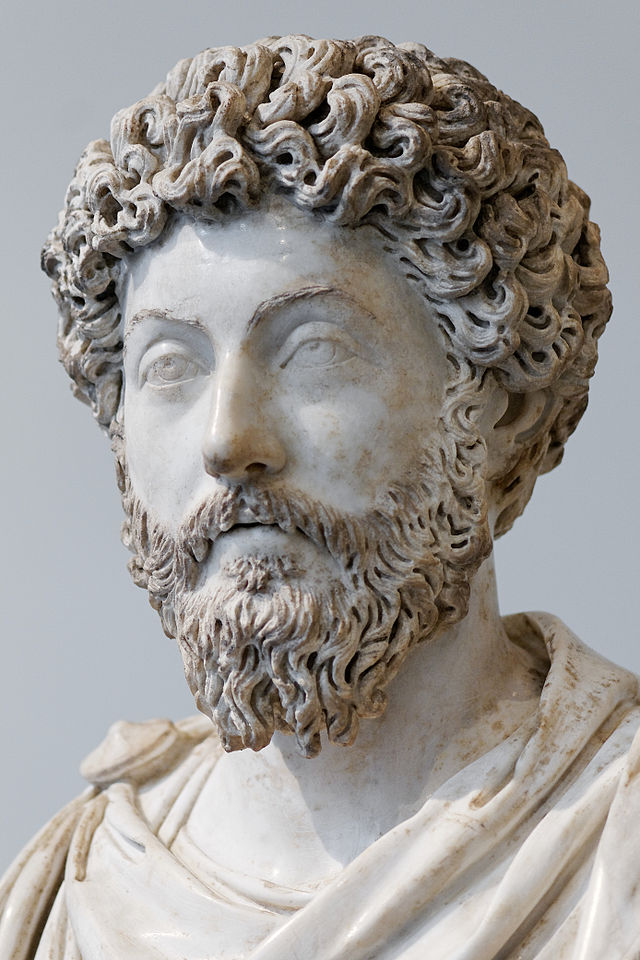
The Ruling Faculty
Marcus calls this inviolable interior space the ruling faculty (hegemonikon): the part of us capable of judgement, choice, and response. It is not a place of withdrawal but of clarity. From within it, we choose how to respond to everything that happens. No tyrant can breach it, no loss can ruin it, no illness can corrupt it, unless we open the gate ourselves.
They seek for themselves private retiring
places, as country villages, the sea-shore, mountains; yea thou thyself
art wont to long much after such places.
Practical Use
When insulted, the citadel allows you to pause and ask: has this actually harmed me? When facing pain, it distinguishes between the sensation and the suffering. The body hurts, but the mind need not consent to despair. When confronted with injustice, it keeps anger from becoming destructive and channels it instead into right action.
The inner citadel is not an abstract ideal. Marcus was a Roman emperor beset by wars, plague, and treachery. He could not retreat from the world, so he built a fortress inside himself instead. The Meditations are his maintenance notes for that fortress, written on campaign, often at night, in a book he never intended anyone else to read.
Freedom Within Constraint
The deepest implication is political as much as personal. Marcus recognised that even a slave retains a form of freedom no master can reach: the freedom to assent or refuse, to judge truly or falsely, to love what is good. External circumstances shape the field of action, but they do not determine the quality of the response. That always belongs to us.
Such as thy thoughts and ordinary cogitations are, such will thy
mind be in time.