Habituation
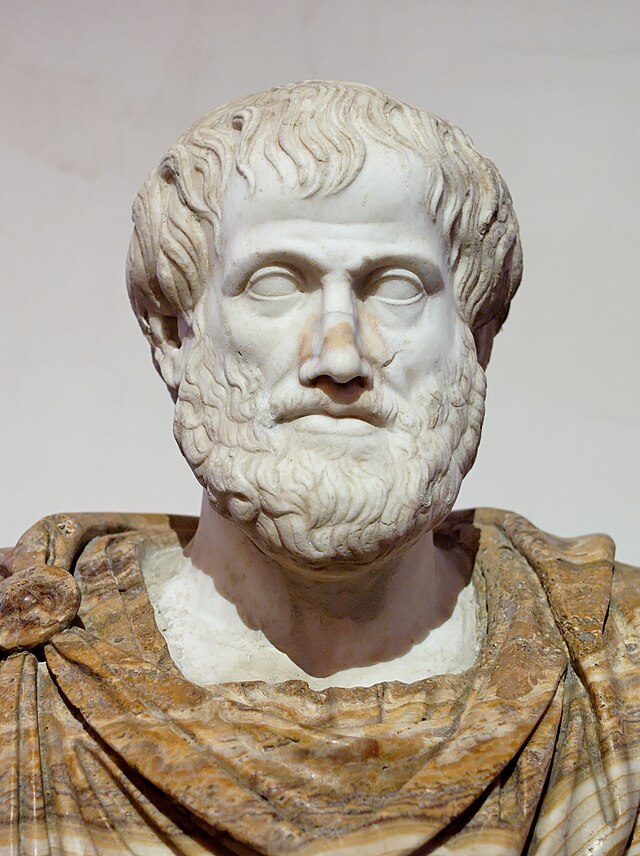
We become just by doing just acts, courageous by doing courageous acts. Virtue is the product of habit — ethos — from which the Greek word ethike derives. Children must be trained before they can understand why. Understanding comes later, grounding what habit has already established.
The virtues we get by first exercising them, as also happens in the case of the arts.
The Role of Emotion
Aristotle does not ask us to suppress emotion, as some Stoics would. The fully virtuous person feels the right emotions at the right time toward the right objects. Anger at genuine injustice is not a weakness — it is part of the virtue of righteous indignation. Someone who does not feel appropriate anger at cruelty has a defect of character.
Aristotle's account of virtue influenced the later tradition enormously, especially through Thomas Aquinas. Contemporary virtue ethics, led by philosophers like Alasdair MacIntyre and Philippa Foot, represents a direct revival of this framework.