The Logic of Adversity
The Stoics distinguished between preferred indifferents (health, wealth, reputation) and true goods, which consist only of virtue and right action. Since virtue is a matter of how we respond to circumstances rather than what circumstances we find ourselves in, every difficult circumstance is also an opportunity to exercise virtue. Pain becomes an opportunity for endurance. Injustice becomes an opportunity to act justly. Failure becomes an opportunity for perseverance.
So that
what before was the impediment, is now the principal object of her
working; and that which before was in her way, is now her readiest way.
Marcus's Own Life
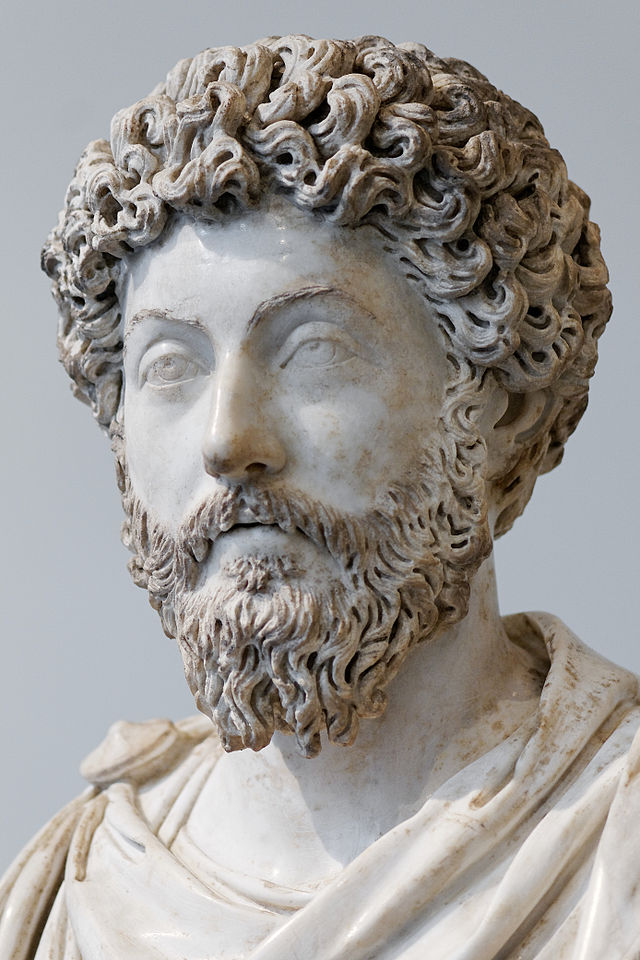
This is not a verbal trick. Marcus genuinely believed, and his life demonstrated, that adversity is the proper training ground for character. He inherited a plague that killed millions, a fractured frontier requiring constant military campaigns, a treacherous court, and the burden of absolute power he had never sought. In each case, the obstacle became the work. The difficulty was not separate from the task; it was the task.
The man writing these notes was not writing from a comfortable study. He wrote on campaign, in military tents, often ill, always under pressure. His repeated insistence that obstacles are opportunities reads differently knowing this. It is not the cheerfulness of someone untested. It is the hard-won conviction of a man who had tried it and found it to be true.
Reframing Without Denial
The teaching does not ask us to pretend that obstacles are not obstacles. The pain is real. The injustice is real. The loss is real. What changes is only our interpretation of what the situation requires from us. When the road is blocked, Marcus asks: what can be done from here? Not: why has the road been blocked? The first question opens possibilities; the second only compounds suffering.
That inward mistress part of man if it be in its own true natural
temper, is towards all worldly chances and events ever so disposed and
affected, that it will easily turn and apply itself to that which may
be... Even as the fire when it prevails upon those things that are in
his way; by which things indeed a little fire would have been quenched,
but a great fire doth soon turn to its own nature, and so consume
whatsoever comes in his way: yea by those very things it is made greater
and greater.