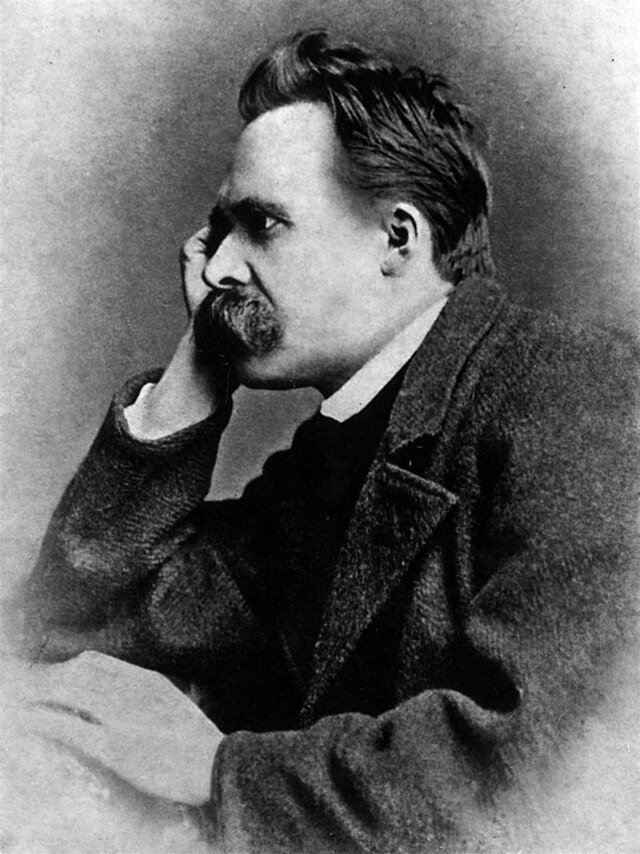
What Zarathustra Teaches
The Übermensch is not a race, a nation, or a conqueror. It is a type — a human being who has overcome the herd instincts of resentment and self-negation, who creates values rather than merely inheriting them, and who affirms life in all its suffering and repetition.
I teach you the Overman. Man is something that shall be overcome. What have you done to overcome him?
Against the Last Man
Zarathustra's audience, far from being inspired, applauds the opposite: the last man — the creature who has invented happiness, who blinks and says "we have invented happiness." The last man avoids risk, pursues comfort, has no great desire and no great contempt. For Nietzsche, this is the deepest danger.
The Übermensch stands against this mediocrity. Not through domination of others, but through radical self-overcoming — the painful process of revaluing inherited values and creating new ones from one's own depths.
Nietzsche's concept was catastrophically misappropriated by Nazi ideologues, who stripped it of its individualism and applied it to racial nationalism — the precise opposite of what Nietzsche intended. His sister Elisabeth, who edited his Nachlass, bore significant responsibility for this distortion.